A digital change for Waiters and Waitresses?
- Sg632
- Jan 30, 2019
- 2 min read
Updated: Feb 4, 2019
A Changing Role
The digital world has created a platform for restaurants to use digital creations, such as websites, to create an ease for customers, for example, informational aspects such as checking the menu or creating online bookings. However, not only have restaurants adapted themselves by utilising these digital aspects, the traditional role of a waitress and waiter has changed with the adaptation to the ever evolving digital world with the relationship between digital and the restaurant industry growing stronger.
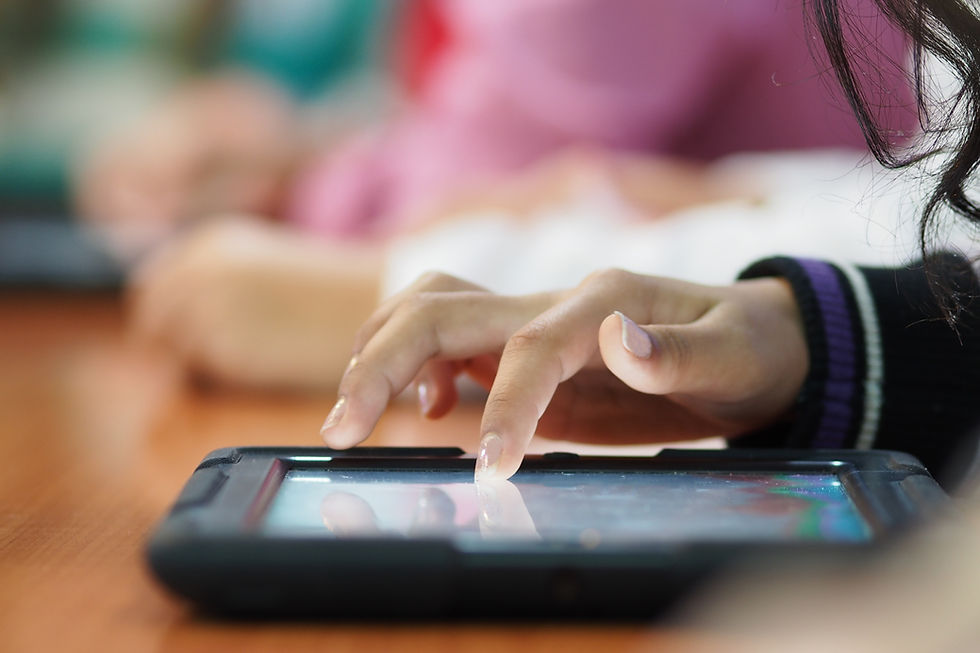
The digital economy is ‘transforming our view of the customer experience’ (Wrede, 2016) changing the 'traditional role' of waitressing, such as using Ipads to take orders or removing the role of a waitress and waiter to take orders by simply getting the customers to use digital platforms to do it themselves.

Why has their role changed?
Between the 'arrival of mobile devices on the table, online reservations, social media, and new payment methods, technology has
infiltrated the food and restaurant industry like never before' (Vardy, 2012), with the role of waitressing changing due to digital advancements creating a more innovative and creative way to experience dining.
Tablets with 'sophisticated software for guest ordering and payments’ (HospitalityTech, 2014) has becoming a prominent part of the dining experience, removing the traditional role of the waitress and waiter and implementing an 'e-waiter'. For example, ‘The thirst Bear’ uses ipads to customise and input food and drinks orders as well as allowing customers to change their own music for table (Abouttime, n/d). Furthermore, the creation of e-waiters has used digital creations to offer customers a self-checkout, which has reportedly cut 7 minutes off the average diners stay and creates a greater customer satisfaction (Tice, 2012).
Although, some feel this is an innovative way for restaurants to become more 'high tech' and evolved, some do believe that this has taken away the personal touch of human interaction with regard to the experience of dining out, even as far to say that digital ‘technology turning people into social hermits who avoid human interaction in favour of the glowing screen before them’ (Wrede, 2016). However, 'while some lament a perceived decline in human interaction, the truth is that in the smart-dining era waitstaff will be unshackled from rote functional tasks like having to remember toppings on a burger and will be able to focus on interactions with the guest that are more memorable and authentically personal’ (HospitalityTech, 2014).
The Future…
As Vardy (2012) states 'Technology has never been more intuitive than it is today, and it’s only getting better allowing restaurant owners to be more efficient and effective', indicating that, with regards to waitressing, it may get even more technological in the future, even as far to say that the traditional role of a waitress and waiter may be entirely removed. For example, this can be seen already in places such as Japan and San-Fransisco (video below).
References
Abouttime (N/D) available at: https://www.abouttimemagazine.co.uk/drink/london-restaurants-digital-dinners/
HospitalityTech (2014) available at https://hospitalitytech.com/how-technology-changing-how-restaurants-should-and-must-operate
Vardy, M. (2012). available at: https://thenextweb.com/insider/2012/09/22/how-technology-changing-restaurant-industry/ (vardy, 2012)
Wrede, J. (2016). available at https://www.digitalistmag.com/digital-economy/2016/03/29/is-personal-touch-possible-in-digital-economy-04103674


Comments